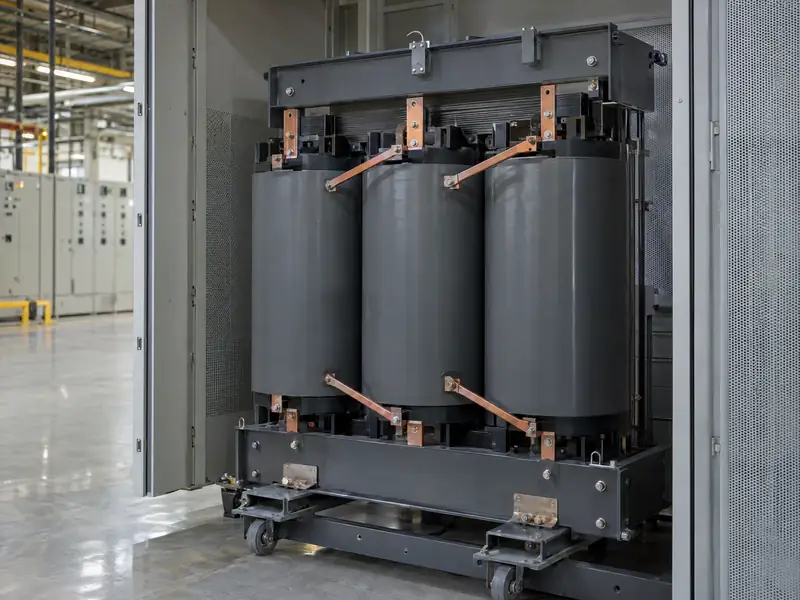
01What a 15 kVA Transformer Can Supply
A 15 kVA transformer is a small distribution or building-service unit. It is a standard rating for single-phase equipment and also a common size for three-phase low-voltage dry-type transformers. The rating describes apparent power capacity; it does not by itself identify the voltage, phase, wiring arrangement or suitable load.
The full-load amps chart rendered on this page shows calculated current at listed voltages for both single-phase and three-phase units. Use the row matching the transformer's phase and voltage, then confirm the nameplate, connection and system requirements before applying the figure. For the relationship between kVA, phase and current, see the transformer kVA and amps sizing guide.
- Single-phase: small service and distribution loads
- Three-phase: small building panels and equipment
- Actual usable capacity depends on the nameplate and installation
FLAFull-Load Amps for a 15 kVA Transformer
Rated full-load current at common California voltages. Single-phase: amps = kVA × 1000 ÷ volts. Three-phase: amps = kVA × 1000 ÷ (1.732 × volts). Use the nameplate voltage of your unit.
| Phase | Voltage | Full-load amps |
|---|---|---|
| Single-phase | 120 V | 125 A |
| Single-phase | 240 V | 62.5 A |
| Single-phase | 277 V | 54.2 A |
| Single-phase | 480 V | 31.3 A |
| Single-phase | 7.2 kV | 2.08 A |
| Single-phase | 12 kV | 1.25 A |
| Three-phase | 208 V | 41.6 A |
| Three-phase | 240 V | 36.1 A |
| Three-phase | 480 V | 18.0 A |
| Three-phase | 600 V | 14.4 A |
| Three-phase | 4.16 kV | 2.08 A |
| Three-phase | 12 kV | 0.72 A |
| Three-phase | 12.47 kV | 0.69 A |
02Which 15 kVA Transformer Types Are Common
At this rating, common configurations include single-phase pad-mounted units, overhead pole-mounted transformers and low-voltage dry-type transformers. A 15 kVA pad mount may serve a small single-phase service; three-phase 15 kVA units are commonly found in low-voltage dry-type applications.
Ordinary three-phase pad-mount product ranges often start at higher ratings, so do not assume a 15 kVA unit is three-phase or pad-mounted based on size alone. Three-phase substation or station-class transformers are not a typical application for this small rating. Compare the unit with information on single-phase pad-mount transformers, pole-mount transformers and low-voltage dry-type transformers.
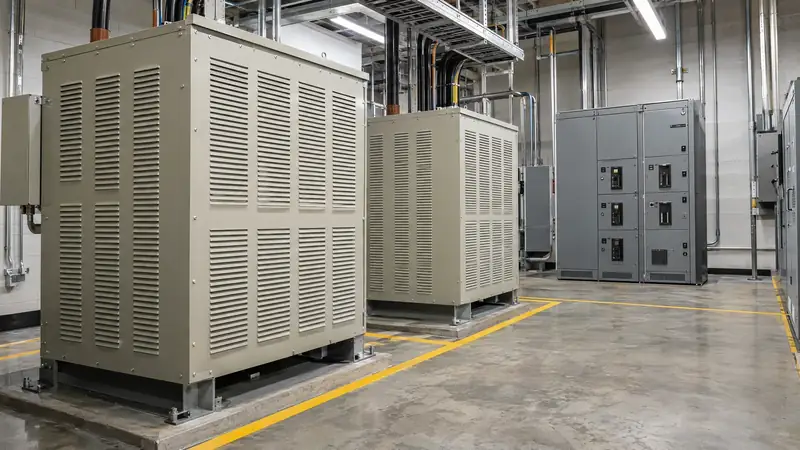
03Typical Voltages and California Applications
Voltage combinations vary by phase, manufacturer and intended system. Single-phase nameplates may show a medium-voltage primary such as 7.2 kV or 12 kV with a low-voltage secondary such as 120/240 V. Three-phase dry-type units may have 208Y/120 V, 240 V or 480Y/277 V secondaries; some equipment has other primary and secondary combinations.
The amps chart includes additional listed voltages, including 4.16 kV, 12 kV and 12.47 kV on three-phase rows. These are chart examples, not a promise that every 15 kVA transformer is available in those configurations. California distribution systems differ by serving utility and location, so verify the exact primary voltage, secondary voltage, taps and connection on the nameplate. A 15 kVA unit may serve a small single-phase service or a small three-phase building panel, but the connected load and installation must be evaluated by qualified electrical personnel.
04Physical Size and Handling Depend on Construction
A 15 kVA unit is generally compact compared with larger distribution and substation transformers, but there is no single standard enclosure size or weight. A dry-type unit may be a compact indoor enclosure, while a pad-mounted unit includes a tank and cabinet; pole-mounted construction has a different form. Weight can range from hundreds of pounds to more, depending on manufacturer, insulation, fluid and fittings.
The nameplate or shipping records may list total weight and, on some units, separate tank-and-fittings or core-and-coil weights. Use documented weights when planning a sale or site work. Do not try to move or handle the transformer yourself; qualified contractors should manage electrical work and any required rigging.
05What Affects a Used 15 kVA Transformer’s Value
A buyer evaluates the complete configuration and condition, not kVA alone. A usable unit with a common voltage combination, complete documentation and intact accessories may be more practical to resell than equipment with missing information or damage. New-surplus status can also matter, but the unit's actual condition and records still need review.
For a more detailed overview, read what affects a used transformer's value.
- Phase, primary and secondary voltage, taps and connection
- Manufacturer, serial number and year of manufacture
- Copper or aluminum windings, if documented
- Condition, leaks, corrosion, damaged bushings or missing parts
- Test reports and available PCB or fluid documentation
- Accessories, quantity, site access and removal requirements
06What to Send for a 15 kVA Transformer Offer
California Transformer Buyer reviews used, pulled, surplus and new-surplus transformers offered by their California owners or authorized sellers. Send clear nameplate photos and overall photos taken from a safe position, along with the quantity, California location and a brief condition description. Do not access equipment you are not authorized to photograph.
If available, include test reports, fluid or PCB records, ownership information and notes about site access. Rocky may ask follow-up questions before preparing a written offer. The offer states what is included, who handles loading or rigging and freight, and the payment terms and timing. Reviewing a transformer costs nothing and carries no obligation.
- Nameplate and overall equipment photos
- Quantity and location in California
- Condition and whether it is used or new-surplus
- Test reports and fluid or PCB records, if available
07How to Request a Review from California Transformer Buyer
Call or text Rocky at (951) 403-5738, or submit the details through the get an offer contact form. You can also review the steps for selling electrical transformers in California before sending information.
If your equipment is a different rating, compare it with the 10 kVA transformer and 25 kVA transformer size pages. The nameplate rating and configuration—not an estimate based only on cabinet appearance—are the best starting point.
kVANearby Transformer Sizes We Buy
FAQ15 kVA Transformer FAQ
Is a 15 kVA transformer single-phase or three-phase?
It can be either. Fifteen kVA is a standard single-phase rating and is also commonly used for three-phase low-voltage dry-type transformers. The phase is shown on the nameplate, usually alongside voltage and connection details. Do not identify phase from the enclosure or location alone; send a clear nameplate photo if you want help reviewing the configuration.
Are 15 kVA three-phase pad-mount transformers common?
A 15 kVA pad-mounted transformer is commonly a single-phase unit. Three-phase 15 kVA equipment is more commonly encountered as low-voltage dry-type, while ordinary three-phase pad-mount portfolios often begin at higher ratings. Product ranges vary, so the nameplate and construction determine what you have. Include photos of the whole unit and its rating plate when requesting an offer.
Can I use the amps chart to choose a replacement transformer?
The chart is a reference for full-load current at the listed rating, phase and voltage; it is not a replacement specification. A replacement also has to match system voltage, phase, connections, taps and installation requirements, and be suitable for the load. Have a qualified electrical professional confirm equipment selection and application rather than relying on the chart alone.
Does a 15 kVA transformer have to be working for you to review it?
You can submit information about used, pulled, surplus, new-surplus or decommissioned equipment for review, including a unit with a condition issue. Whether it is suitable for an offer depends on its configuration, condition, documentation and other details. Describe known problems accurately and share available reports. Do not open, drain, disconnect or move the transformer to prepare it for review.
What if the nameplate is missing or unreadable?
Send clear overall photos and any readable markings, serial labels or supporting records you have. Include the unit's location, quantity and what is known about its condition or history. A buyer may need additional information before evaluating a unit without a complete nameplate, and an offer may not be possible until key specifications can be verified. Do not remove covers to search for hidden markings.
Can I sell a transformer that belongs to the serving utility?
Only the owner or someone authorized to sell the equipment can offer it. A transformer located on private property is not necessarily owned by the property owner; utility-owned equipment cannot be sold by the property owner. Confirm ownership or authority before submitting it. If ownership is unclear, check records or contact the relevant organization rather than arranging removal.