0125 kVA Transformer Buyer for California Sellers
A 25 kVA transformer is a common single-phase distribution size. California Transformer Buyer reviews used, pulled, surplus and new-surplus units from sellers throughout California, whether you have one transformer, a spare or equipment left from a project.
The rating alone does not establish whether a unit fits a buyer’s needs. Construction, voltage, condition, documentation and the work needed to remove and transport it all matter. For a broader overview of the buying process, see our used transformer buying information.
FLAFull-Load Amps for a 25 kVA Transformer
Rated full-load current at common California voltages. Single-phase: amps = kVA × 1000 ÷ volts. Three-phase: amps = kVA × 1000 ÷ (1.732 × volts). Use the nameplate voltage of your unit.
| Phase | Voltage | Full-load amps |
|---|---|---|
| Single-phase | 120 V | 208 A |
| Single-phase | 240 V | 104 A |
| Single-phase | 277 V | 90.3 A |
| Single-phase | 480 V | 52.1 A |
| Single-phase | 7.2 kV | 3.47 A |
| Single-phase | 12 kV | 2.08 A |
02Common 25 kVA Transformer Types and Applications
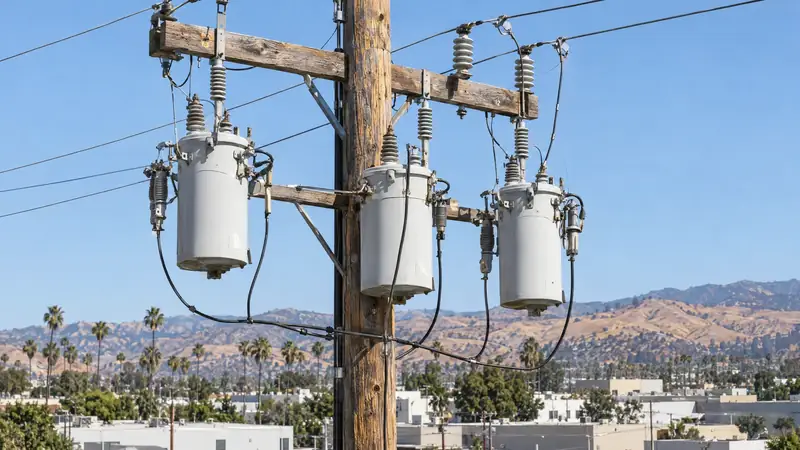
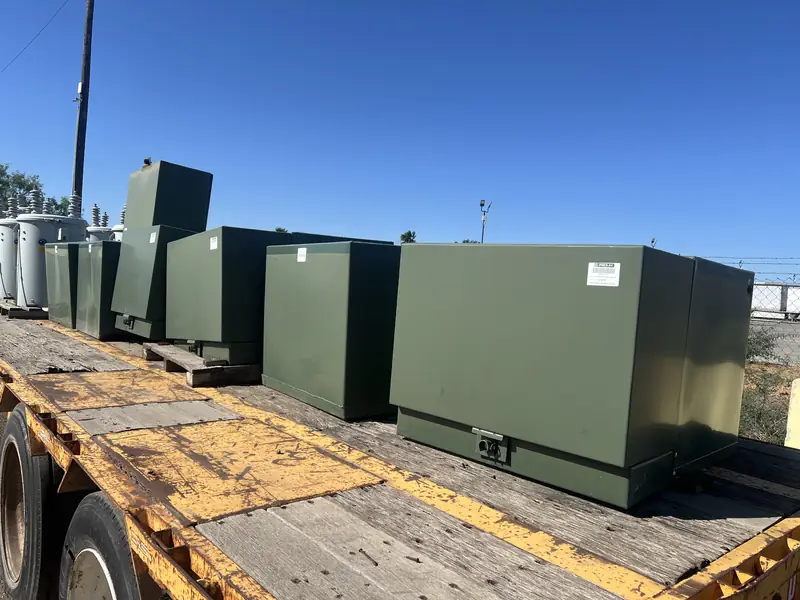
The common configurations at this size include single-phase pad-mount, overhead pole-mount and low-voltage dry-type transformers. Pad-mounted units are enclosed for ground-level installation, while pole-mounted units are designed for overhead distribution. Dry-type units are used indoors or in other applications where an oil-filled transformer is not specified.
Typical uses include 120/240 V residential or small-commercial service and equipment isolation. A 25 kVA unit is not generally a station-class substation transformer; if the nameplate shows a different rating or specialized design, provide those details rather than identifying it by appearance alone.
See the pages for single-phase pad-mount transformers, pole-mount transformers and dry-type transformers for details about those designs.
03Typical Voltages and California Service Configurations
A 25 kVA single-phase unit may have a medium-voltage primary and a low-voltage secondary. Examples of low-voltage ratings shown in the page’s full-load amps chart include 120 V, 240 V, 277 V and 480 V; the actual primary and secondary combination depends on the transformer’s nameplate and intended system.
California distribution systems use different primary voltages by utility and location. For example, 12 kV-class distribution is common in several service areas, and 12.47 kV grounded-wye systems may have a 7.2 kV phase-to-neutral rating. Do not assume a voltage from the installation location or enclosure—send the nameplate so the exact ratings and connections can be checked.
For other nearby standard sizes, compare 15 kVA transformers and 37.5 kVA transformers.
04How to Read the 25 kVA Full-Load Amps Chart
The full-load amps chart rendered on this page gives calculated current for a single-phase 25 kVA transformer at each listed voltage. Find the voltage row that matches the winding voltage you are evaluating, then use the amps value for that row. The chart is a reference, not a substitute for checking the nameplate or confirming the installation design.
For the same kVA rating, the listed current is higher at lower voltage and lower at higher voltage. Make sure you are comparing the correct side of the transformer: primary current and secondary current are different when their voltages differ. For background on ratings and current calculations, use our transformer kVA and amps guide.
05Physical Size, Weight and Condition Details
A 25 kVA transformer is generally a compact distribution unit compared with larger commercial or substation equipment, but its dimensions and weight vary by manufacturer, type and construction. A liquid-filled pad-mount or pole-mount unit will differ from a dry-type design. Use the nameplate or equipment records for actual weight; do not estimate handling requirements from the kVA rating alone.
When available, share overall photos and the nameplate’s total weight, tank-and-fittings weight or core-and-coil weight. Also point out visible issues such as leakage, rust, damaged bushings or missing parts. Photos should be taken only from a safe position and of equipment you are authorized to access.
06What Affects the Value of a Used 25 kVA Transformer
A buyer evaluates the complete unit, not just its 25 kVA rating. Voltage and connection, phase, manufacturer, age, winding material, condition, configuration and whether it is used or never energized all help determine whether the transformer has a resale use. Common California voltages and complete, legible nameplate details can make specifications easier to verify.
Test reports and records may also matter. Depending on the design, useful documents can include factory tests, insulation-resistance or turns-ratio results, and fluid or PCB records for liquid-filled units. PCB status and fluid handling require appropriate testing, documentation and review by qualified environmental professionals; this information is not legal advice.
Value can also depend on quantity, site access and removal complexity. Read more about factors buyers consider in our used transformer value guide.
07What to Send for a Written Offer
To start a review, send the nameplate information, clear photos of the full transformer, how many units are available, their California location and a brief condition description. Include test reports, fluid or PCB documentation, ownership information and any known access limits if you have them. You can text photos to Rocky at (951) 403-5738 or use the contact form to request an offer.
Only the owner or someone authorized to sell the equipment should submit it. A property owner cannot sell utility-owned equipment installed at the property. Do not disconnect, open, drain or move a transformer to prepare it for review; those tasks belong to the serving utility or qualified electrical contractor.
After reviewing the information, Rocky may ask follow-up questions and provide a written offer. The written terms state what is included, who handles loading or rigging and freight, and the payment terms and timing. See how to sell your transformer for the information needed to begin.
kVANearby Transformer Sizes We Buy
FAQ25 kVA Transformer FAQ
Is a 25 kVA transformer usually single-phase?
Yes. Single-phase is the common configuration at 25 kVA, and the catalog rating series includes 25 kVA as a single-phase size. Still, verify the phase on the nameplate rather than relying on a catalog expectation. If a unit has a different or unusual configuration, send a photo and its ratings so the design can be reviewed accurately.
Can I sell a 25 kVA transformer if it is not working?
You can submit information about a failed or damaged transformer for review, but condition affects whether it has a resale use. Describe known problems and include safe-position photos of visible damage. Do not open compartments, disconnect conductors, drain fluid or move the unit; arrange any required electrical work through the serving utility or a qualified electrical contractor.
Does a 25 kVA pad-mount transformer need to be removed before I request an offer?
No. You can request a review while the transformer remains installed. Send photos from a safe position, the nameplate details, location and access information. If an offer is made, its written terms identify who handles loading or rigging and freight before pickup is arranged. Removal and electrical isolation should be handled by qualified parties, not by the seller without authorization.
What if the nameplate is hard to read or missing?
Send the clearest photos available and explain which information is unreadable or missing. Other records, such as a factory test report, purchase documentation or maintenance files, may help establish the specifications. Do not guess at voltage, year or fluid type. A buyer may need to ask follow-up questions or may be unable to confirm the unit’s resale suitability without reliable identification.
Can I submit several 25 kVA transformers or a mixed lot?
Yes. California Transformer Buyer reviews single units as well as multiple transformers and mixed lots from California sellers. Send a count and photos for each distinct type or nameplate where practical, along with the site location and a condition summary. Include any differences in voltage, phase, construction or new-surplus status so the group can be assessed without assuming all units are alike.
What is the difference between used and new-surplus?
Used generally means the transformer was previously energized or installed. New-surplus refers to equipment that was never energized and is typically crated or on skids, such as project leftovers or unused spare stock. State which description applies and provide records or photos that support it. The distinction can affect a buyer’s review, but it does not by itself determine whether an offer is made.