01What a 250 kVA Transformer Rating Tells a Buyer
A 250 kVA transformer is a distribution-size unit used to serve substantial electrical loads. California Transformer Buyer reviews this rating in both single-phase and three-phase equipment, but the exact configuration, voltage, and nameplate details determine what a particular unit can serve and how useful it may be to another buyer.
The verified preferred continuous-rating series includes 250 kVA for single-phase transformers. Its listed three-phase ratings include 225 and 300 kVA rather than 250 kVA, but that does not rule out a 250 kVA three-phase unit; custom and commercial ratings exist. Use the nameplate—not an assumed standard—to identify what you have. Nearby sizes include 225 kVA transformers and 300 kVA transformers.
FLAFull-Load Amps for a 250 kVA Transformer
Rated full-load current at common California voltages. Single-phase: amps = kVA × 1000 ÷ volts. Three-phase: amps = kVA × 1000 ÷ (1.732 × volts). Use the nameplate voltage of your unit.
| Phase | Voltage | Full-load amps |
|---|---|---|
| Single-phase | 240 V | 1,042 A |
| Single-phase | 277 V | 903 A |
| Single-phase | 480 V | 521 A |
| Single-phase | 2.4 kV | 104 A |
| Single-phase | 7.2 kV | 34.7 A |
| Single-phase | 12 kV | 20.8 A |
| Single-phase | 19.92 kV | 12.6 A |
| Three-phase | 208 V | 694 A |
| Three-phase | 480 V | 301 A |
| Three-phase | 600 V | 241 A |
| Three-phase | 4.16 kV | 34.7 A |
| Three-phase | 12 kV | 12.0 A |
| Three-phase | 12.47 kV | 11.6 A |
| Three-phase | 20.78 kV | 6.95 A |
| Three-phase | 34.5 kV | 4.18 A |
02Transformer Types Commonly Found at 250 kVA
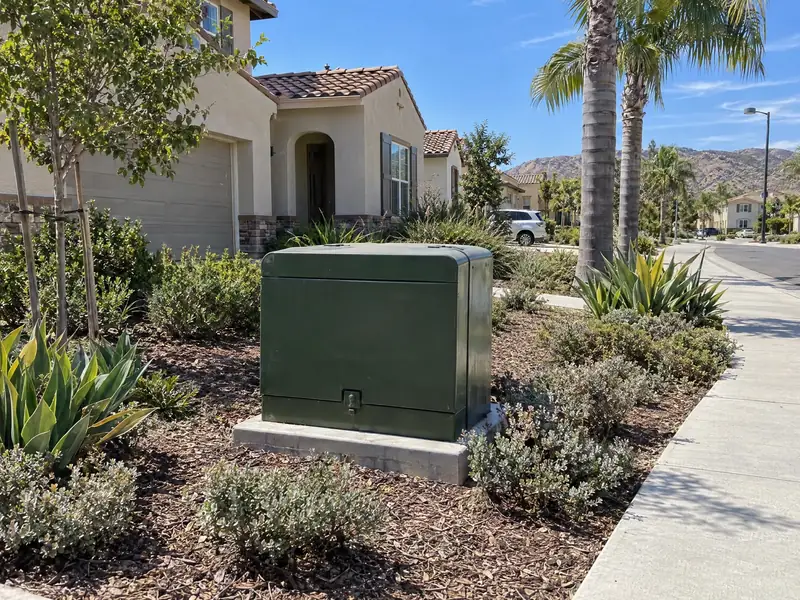
At this rating, common equipment includes single-phase pad-mount transformers, overhead pole-mount units, and low-voltage dry-type transformers. A 250 kVA single-phase pad-mount may serve heavy single-phase equipment or operate as one unit in a three-phase bank. See examples of single-phase pad-mount transformers, pole-mount transformers, and low-voltage dry-type transformers.
A 250 kVA unit is not generally a station-class substation transformer; that family is typically much larger. A dry-type transformer may be part of a unit-substation assembly serving switchgear, but the transformer rating alone does not identify the complete equipment arrangement. Include a photo of the full unit and any attached assembly.
03Voltage Combinations and California Applications
Single-phase equipment may have a 120/240 V secondary for service or heavy single-phase loads, with medium-voltage primary configurations such as 12 kV-class or 12.47 kV grounded-wye systems. Three-phase units may serve 208Y/120 V or 480Y/277 V systems, with primary voltages that can include 12 kV, 12.47 kV, 20.78 kV, or other configurations. These are examples, not a substitute for the actual nameplate.
In California, 12 kV-class distribution is common in many service areas; 16 kV-class equipment is also documented in parts of SCE territory, and 20.78 kV grounded-wye primary configurations are used in PG&E and SMUD areas. Utilities and sites differ, so confirm voltage, phase, connection, and taps against the transformer and the project requirements. Applications can include commercial or industrial service, larger single-phase equipment, and single-phase units installed together in a three-phase bank.
04How to Read the 250 kVA Full-Load Amps Chart
The full-load amps chart rendered on this page gives reference current for listed voltage and phase combinations. Find the transformer’s phase first, then locate the voltage on the side of the winding you are evaluating. Use the corresponding chart entry to understand the approximate full-load current at that rating; do not apply a single-phase value to a three-phase unit or mix primary and secondary voltages.
The chart is a reference, not a substitute for the nameplate, engineering design, or protective-device coordination. Actual operating load can be below the full-load rating, and a transformer’s suitability also depends on voltage, connection, impedance, cooling, and other system details. For the relationship between kVA, voltage, and current, see how to calculate transformer kVA and amps.
05Physical Size, Weight, and Condition Details
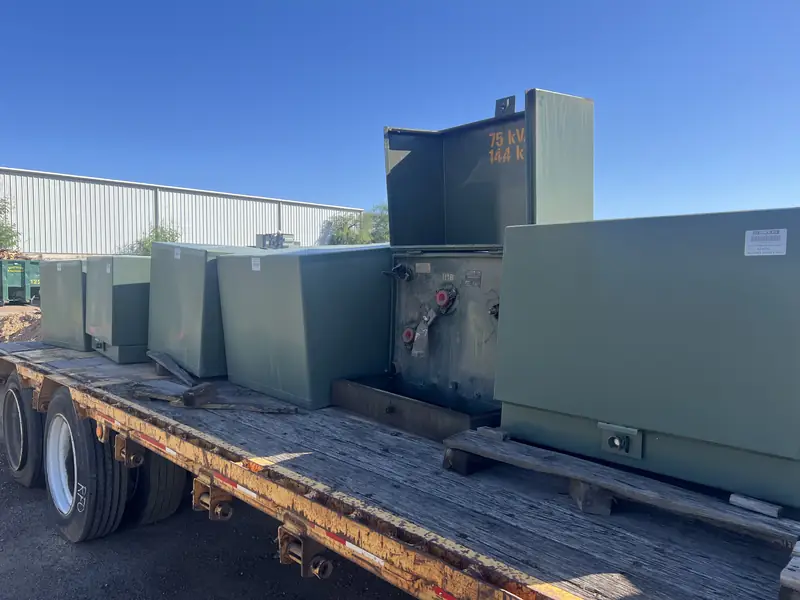
There is no single footprint or shipping weight for a 250 kVA transformer. Dimensions and weight vary by manufacturer, phase, insulation and cooling design, tank or enclosure, and installed accessories. A liquid-filled pad-mount, an overhead pole unit, and a dry-type indoor transformer can have very different shapes and handling needs despite the same kVA rating.
If available, send a photo of the nameplate fields for total weight and tank-and-fittings or core-and-coil weight, plus clear overall photos from a safe position. Do not open compartments, move the unit, or attempt electrical work to gather information. Any isolation, disconnection, testing, or removal is for the owner’s qualified electrical contractor or serving utility.
06What Affects the Value of a Used 250 kVA Transformer
A 250 kVA transformer’s potential value depends on its specifications, condition, documentation, and whether the configuration matches current demand. Common California voltages and a clear, complete nameplate can help a buyer assess resale possibilities, but no rating or voltage guarantees an offer.
Important factors include phase; primary and secondary voltage; taps and connection; impedance and BIL; year; winding material; cooling or insulation type; and visible condition. For liquid-filled units, fluid type, gallons, leak condition, and PCB records matter. Test reports, missing or damaged bushings, switches or other accessories, quantity, ownership, and site access can also affect review. Learn more about factors that affect used transformer value.
07What to Send California Transformer Buyer for an Offer
For a useful first review, text photos to (951) 403-5738 or submit the website contact form. Photograph the nameplate and the complete transformer from a safe position, and include the quantity, California location, and whether the unit is used, pulled, surplus, or new-surplus. Only send information or photos for equipment you own or are authorized to sell.
If available, include test reports, fluid or PCB documentation, and details about missing parts or known condition issues. Rocky may ask follow-up questions about records, ownership, and site access. The written offer states what is included, who handles loading or rigging and freight, and payment terms and timing. Reviewing a transformer costs nothing and creates no obligation; see the steps to sell your transformer in California.
kVANearby Transformer Sizes We Buy
FAQ250 kVA Transformer FAQ
Will you consider a three-phase 250 kVA transformer?
Yes, California Transformer Buyer can review a three-phase unit at this rating. Although 250 kVA is not in the verified preferred three-phase rating series described above, custom and commercial configurations may exist. Send a clear nameplate photo so the phase, voltage, connection, and actual rating can be confirmed before discussing an offer.
Can I sell a 250 kVA transformer without test reports?
You can submit the unit for review even if you do not have test reports. Share whatever records are available, such as factory reports, oil tests, insulation-resistance results, or turns-ratio tests. Missing documentation may leave questions about condition or fluid status, so accurate photos and a candid description of known issues are useful.
Does a transformer need to be recently manufactured to be considered?
Not necessarily. California Transformer Buyer reviews used, pulled, surplus, and new-surplus equipment, and age is one factor among several. The year, condition, nameplate configuration, accessories, and available test or environmental records all help determine whether a particular 250 kVA unit can be considered.
What if the transformer has unknown PCB status?
Do not infer PCB status from appearance or age alone. Provide any labels, oil records, or test documentation you have and rely on qualified environmental professionals for testing and management decisions. PCB classifications and California requirements depend on the equipment and documentation; this information is not legal advice.
Can I sell a transformer that belongs to the utility?
Only the owner or someone authorized by the owner can sell the equipment. A transformer located on private property may still be utility-owned, so verify ownership before requesting an offer. If ownership is unclear, check the relevant purchase, service, or property records rather than assuming the equipment can be sold.
Do I need to disconnect or move the transformer before contacting you?
No. Leave electrical work and equipment handling to qualified personnel. Do not de-energize, disconnect, open, drain, or move the transformer to prepare for an offer. You can send nameplate and overall photos taken from a safe position, provided you are authorized to access and photograph the equipment.