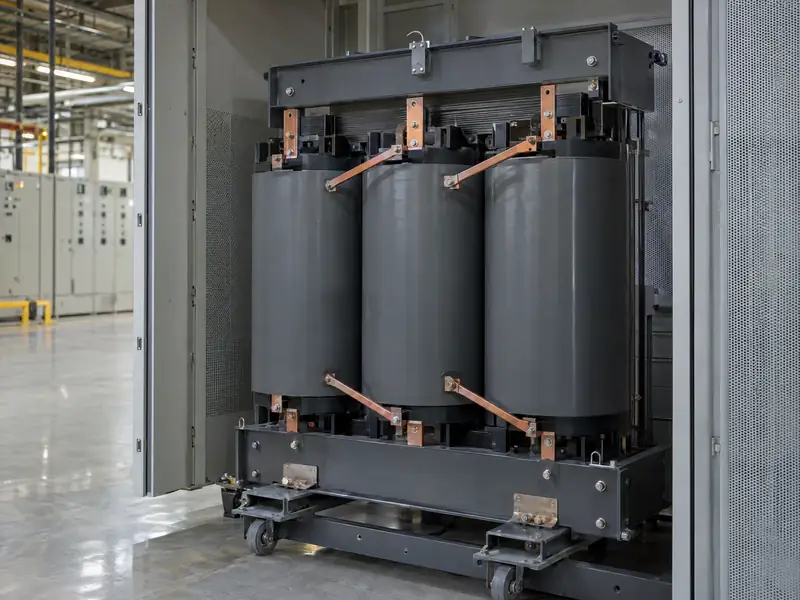
01What a 112.5 kVA Transformer Rating Means
A 112.5 kVA transformer is a standard preferred three-phase capacity in the verified IEEE C57.12.00-2015 rating series. It describes the transformer's apparent-power rating, not a guaranteed amount of usable real power; the connected voltage, power factor, loading and equipment condition matter too.
Three-phase construction is the common form at this size. If you plan to sell a 112.5 kVA transformer, start with its complete nameplate rather than relying only on a label, panel schedule or old inventory record. The nameplate confirms the actual rating, phase, voltages and configuration.
FLAFull-Load Amps for a 112.5 kVA Transformer
Rated full-load current at common California voltages. Single-phase: amps = kVA × 1000 ÷ volts. Three-phase: amps = kVA × 1000 ÷ (1.732 × volts). Use the nameplate voltage of your unit.
| Phase | Voltage | Full-load amps |
|---|---|---|
| Three-phase | 208 V | 312 A |
| Three-phase | 240 V | 271 A |
| Three-phase | 480 V | 135 A |
| Three-phase | 600 V | 108 A |
| Three-phase | 4.16 kV | 15.6 A |
| Three-phase | 12 kV | 5.41 A |
| Three-phase | 12.47 kV | 5.21 A |
02Common 112.5 kVA Transformer Types and Configurations
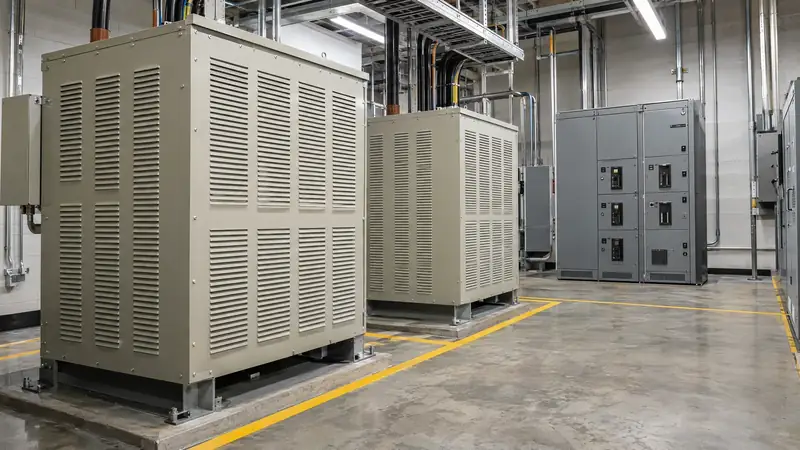
At this rating, common configurations include low-voltage dry-type units, three-phase pad-mounted transformers and secondary-unit-substation transformers. A dry-type unit may serve building distribution, while a pad-mounted unit is an outdoor, enclosed distribution transformer. A unit substation combines a transformer with associated primary and secondary equipment, often close-coupled to switchgear.
Compare the physical configuration and connection details with these guides to [dry-type transformers](dry-type transformer configurations), [three-phase pad-mount transformers](three-phase pad-mount transformer designs) and [unit substation transformers](unit substation equipment). A seller's description of a unit as pole-mounted or another type should be checked against its nameplate and actual construction; the kVA figure alone does not establish the type.
03Typical Voltages and California Applications
A 112.5 kVA unit may be built for combinations such as a medium-voltage primary stepping down to 208Y/120 V or 480Y/277 V, or for a lower-voltage primary and secondary arrangement. Three-phase pad-mount primaries may be in a 12 kV class; 16 kV and 21 kV class equipment is also used in parts of California. These are examples, not a substitute for the actual nameplate.
The verified applications for this size include 208Y/120 V office or retail panels and small commercial service. A transformer used for a different building, process or service may have a different secondary voltage or connection. California service voltages vary by utility and location, so confirm the equipment's voltage and connection before comparing it with a project requirement.
- Record primary and secondary voltage, including wye or delta notation.
- Note taps, frequency, impedance and connection diagram when shown.
- Do not assume that two units with the same kVA rating are interchangeable.
04How to Read the 112.5 kVA Full-Load Amps Chart
The full-load amps chart rendered on this page shows calculated three-phase current at the listed voltage points. Find the voltage row that corresponds to the transformer winding or system you are evaluating, then use the chart's amp figure as a reference for rated full-load current. The chart is not a separate transformer specification and does not show every possible nameplate voltage.
For a three-phase transformer, rated current changes with voltage: at the same kVA, lower voltage corresponds to higher current and higher voltage to lower current. Check whether a listed voltage refers to the primary or secondary, and compare it with the actual nameplate. For more detail on the relationship between capacity and current, see [how to read transformer kVA and amps](transformer kVA and amps guide).
05Physical Size, Weight and Condition Vary by Manufacturer
A 112.5 kVA dry-type transformer is generally a substantial piece of electrical-room equipment, while a pad-mounted or unit-substation configuration may include an enclosure and additional components that affect its footprint and handling needs. Exact dimensions and weight vary by manufacturer, design, voltage, cooling and accessories; use the nameplate or manufacturer documentation instead of estimating from capacity alone.
If available, share the total weight and any listed tank-and-fittings or core-and-coil weights. Overall photos can help show the enclosure, mounting arrangement and visible condition. Do not open, disconnect, move or otherwise handle the transformer for photos; take pictures only from a safe position and only where you are authorized to be.
06What Affects the Value of a Used 112.5 kVA Transformer
A buyer assesses more than kVA. Voltage combination, phase, taps, connections, impedance, winding material, age, condition and demand for the specific configuration all affect the unit's resale potential. Missing parts, visible leaks, rust or damaged bushings are important to disclose, as are accessories and whether the transformer is used or new-surplus.
Test reports and records can help establish condition and environmental status. Useful documentation may include factory reports, insulation-resistance or turns-ratio results, and fluid or PCB records when applicable. Rely on existing testing and documentation, and consult qualified environmental professionals about PCB or oil questions; this information is not legal advice. For a broader explanation of buyer considerations, see [what a used transformer may be worth](used transformer value factors).
07What to Send for an Offer on a 112.5 kVA Unit
Send a clear nameplate photo, overall photos, the number of units, the California location and a brief condition description. Include any available test reports, ownership or authority-to-sell information, and details about site access. For nameplate guidance, capture the manufacturer, serial number, year, kVA, phase, voltage, taps, impedance and weight if visible.
Call or text Rocky at (951) 403-5738, or use the [transformer offer request page](request an offer for your transformer). California Transformer Buyer reviews the information and may ask follow-up questions. A written offer states the price, what is included, who handles loading or rigging and freight, and payment terms and timing. Removal is scheduled under the written terms; your qualified electrical contractor or serving utility handles electrical isolation and disconnection.
kVANearby Transformer Sizes We Buy
FAQ112.5 kVA Transformer FAQ
Is 112.5 kVA a standard three-phase transformer size?
Yes. 112.5 kVA appears in the verified IEEE C57.12.00-2015 preferred three-phase rating series. That does not mean every transformer at this capacity has the same dimensions, voltage or connection. Custom ratings also exist, so confirm the nameplate and any manufacturer documentation rather than identifying the unit from capacity alone.
Can I sell a 112.5 kVA transformer if it has no test report?
You can submit the unit for review even if a test report is not available. Send the nameplate and clear overall photos, describe known issues and say which records you do have. Existing test reports can help assess condition, but do not create, perform or arrange electrical testing yourself; use qualified electrical personnel.
Do you buy new-surplus 112.5 kVA transformers?
California Transformer Buyer considers new-surplus equipment that has never been energized, including units kept crated or on skids. Include photos showing its packaging and condition, the nameplate, quantity and California location. Whether a particular unit is suitable depends on its specifications, documentation, condition and current demand.
Does a 112.5 kVA transformer have to be 208Y/120 V?
No. 208Y/120 V is a listed application for this capacity, but 112.5 kVA describes capacity, not a specific voltage. Units may have different primary and secondary voltages, connections and tap arrangements. Check the nameplate before deciding whether it matches a building or replacement requirement.
Can I sell a transformer that is still installed?
An installed unit can be reviewed, but the sale and pickup depend on ownership, site access, condition and the written terms. The seller must own the transformer or have authority to sell it; utility-owned equipment cannot be sold by a property owner. Electrical isolation and disconnection must be handled by the qualified contractor or serving utility.
Should I move or open the transformer to get better photos?
No. Do not open compartments, disconnect, move or otherwise handle the transformer for pictures. Photograph the nameplate and exterior from a safe position, and only where you are authorized to access the equipment. If the nameplate cannot be seen safely, describe that limitation when you contact Rocky.