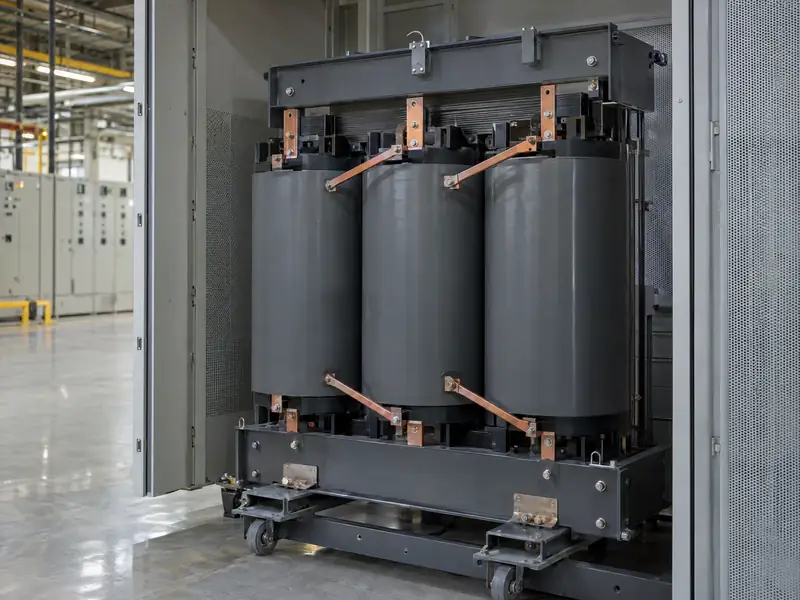
01What a 45 kVA Transformer Is Commonly Used For
A 45 kVA transformer is a standard three-phase distribution rating suited to smaller loads. Common examples include small commercial building panels and small three-phase utility or renewable service. Whether a particular unit suits an application depends on its nameplate voltages, connections, condition and the load requirements.
At this rating, the most common types are low-voltage dry-type transformers and three-phase pad-mount transformers. A dry-type unit may serve building distribution indoors, while a pad-mounted design is typically part of an outdoor distribution installation. Learn more about dry-type transformer designs and three-phase pad-mount transformers.
- Small commercial building panels
- Small three-phase utility service
- Some renewable-energy service applications
FLAFull-Load Amps for a 45 kVA Transformer
Rated full-load current at common California voltages. Single-phase: amps = kVA × 1000 ÷ volts. Three-phase: amps = kVA × 1000 ÷ (1.732 × volts). Use the nameplate voltage of your unit.
| Phase | Voltage | Full-load amps |
|---|---|---|
| Three-phase | 208 V | 125 A |
| Three-phase | 240 V | 108 A |
| Three-phase | 480 V | 54.1 A |
| Three-phase | 600 V | 43.3 A |
| Three-phase | 4.16 kV | 6.25 A |
| Three-phase | 12 kV | 2.17 A |
| Three-phase | 12.47 kV | 2.08 A |
02Typical Voltage Combinations and California Applications
The exact voltage combination depends on the transformer’s design and service. Low-voltage three-phase units may have secondary connections such as 208Y/120 V or 480Y/277 V. A pad-mount unit may have a medium-voltage primary in a California distribution class, paired with a low-voltage secondary; the utility’s actual service and the nameplate must be checked.
Do not assume that a transformer is compatible based only on its 45 kVA rating or the voltage measured at a site. Primary and secondary voltage, phase, winding connection, taps and frequency all matter. If you are comparing nearby ratings, see the listings for 37.5 kVA transformers and 50 kVA transformers.
03How to Read the 45 kVA Full-Load Amps Chart
The full-load amps chart displayed on this page shows the calculated current for a three-phase transformer at its rated kVA and each listed voltage. Find the line for the applicable voltage and phase to see the corresponding full-load current. The chart is a reference for understanding capacity, not a substitute for the unit’s nameplate or an electrical design review.
Actual operating current depends on the connected load. A transformer may serve a load well below its full rating, and the chart does not determine conductor, fuse or breaker selection. For the relationship between kVA, voltage and current, consult the transformer kVA and amps guide.
04Typical Size and Weight Depend on the Design
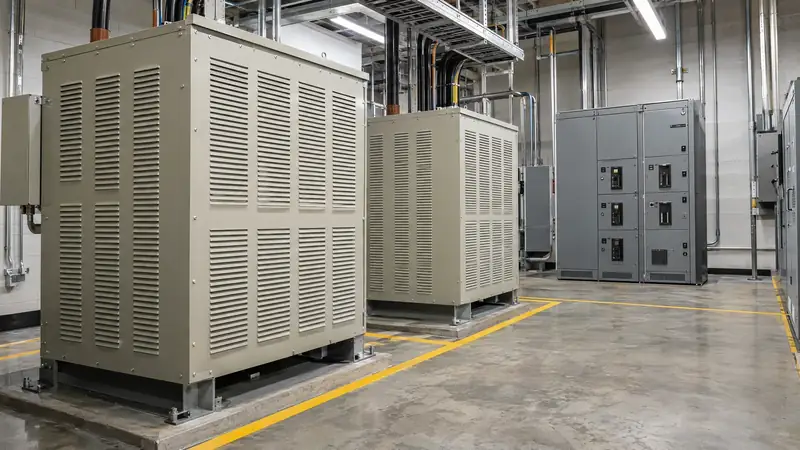
A 45 kVA dry-type transformer is generally a compact indoor electrical unit; a three-phase pad-mount is housed in a larger outdoor cabinet. Physical dimensions and weight vary by manufacturer, enclosure, voltage class, winding construction and included accessories. In general terms, units can weigh from hundreds of pounds to more than a thousand pounds, so the nameplate or manufacturer documentation is more reliable than an estimate based on kVA alone.
For a sale, send overall photos that show the cabinet or enclosure and any visible damage. Do not move or open the transformer to get better pictures. Equipment should only be accessed or handled by qualified personnel with the proper authorization and site procedures.
05What Affects the Value of a Used 45 kVA Transformer
Rating is only one part of an assessment. Voltage combination, phase, winding material, manufacturer, year, condition, configuration and likely resale demand all help determine whether a used 45 kVA transformer is a fit. A common voltage combination and complete accessories may be more useful to a buyer than a unit with missing parts or unclear specifications.
New-surplus equipment that has never been energized is different from previously used equipment, and its original packaging and factory documentation can help establish its condition. For used units, available test reports and clear records may also help. Oil-filled equipment needs relevant fluid and PCB documentation; sellers should rely on testing, records and qualified environmental professionals for environmental determinations. See factors that affect a used transformer’s value.
- Nameplate details and voltage configuration
- Condition, age and completeness
- New-surplus or previously energized status
- Test reports and environmental records
- Quantity and site access
06What to Send a 45 kVA Transformer Buyer
For an initial review, send clear photos of the nameplate and the full unit, along with the quantity, California location and a brief condition description. Useful nameplate details include manufacturer, serial number, year, phase, primary and secondary voltages, connection, taps, impedance and weight. Include available test reports, PCB or fluid records and information about accessories or missing parts.
California Transformer Buyer reviews equipment from California sellers, including used, removed, surplus and new-surplus units. Call or text Rocky at (951) 403-5738, or submit the website form. Reviewing a transformer costs nothing and does not obligate you to sell. You can also read the process for selling electrical transformers to California Transformer Buyer.
07Written Offer, Site Work and Pickup Terms
After reviewing the information, Rocky may ask follow-up questions about ownership, test reports, site access or environmental documentation. If the unit is a fit, the written offer states what is included, who handles loading or rigging and freight, and the payment terms and timing. Review those terms before any pickup is scheduled.
Only the owner or someone authorized to sell the equipment can proceed. Utility-owned equipment at a property cannot be sold by the property owner. De-energizing, disconnecting and moving a transformer are not seller tasks; those activities must be handled by the serving utility or qualified electrical contractors as applicable. For a direct next step, use the contact form to request an offer.
kVANearby Transformer Sizes We Buy
FAQ45 kVA Transformer FAQ
Is 45 kVA a standard three-phase transformer rating?
Yes. The verified preferred three-phase rating series includes 45 kVA, between 30 kVA and 75 kVA. That does not mean every manufacturer offers every design or voltage combination at this rating. Check the nameplate for the actual rating, phase and configuration, and compare only units that match the intended service.
Can I sell a 45 kVA transformer that has been removed?
A removed unit can be considered, but its condition, ownership, specifications and supporting records matter. Send photos and describe what is known about its history and completeness. Do not handle or move the transformer to prepare it for sale. Any removal, isolation or site work should be managed by qualified personnel and addressed in the written terms.
Will you consider a 45 kVA transformer with no test report?
You can still send the details for review. A test report can help establish condition and support an assessment, but its absence does not by itself establish that a unit is unusable or saleable. Share any available records and disclose what is unknown. Rocky may ask follow-up questions before deciding whether to make an offer.
Do you buy new-surplus 45 kVA transformers?
California Transformer Buyer considers new-surplus equipment from California sellers. New-surplus means the unit has never been energized and is typically crated or on skids. Include photos of its packaging and nameplate, and share available factory documentation. The unit’s specifications, condition and completeness still determine whether an offer is appropriate.
What if the transformer has oil or an unknown PCB status?
Share any existing fluid, PCB and testing records, and do not open, drain or sample the transformer yourself. PCB status and oil management depend on testing and documentation; California requirements can differ from federal classifications. Sellers should rely on qualified environmental professionals for determinations and handling guidance. Environmental information is not legal advice.
Can I sell a transformer that belongs to the utility?
No. You must own the transformer or have authority to sell it. Utility-owned equipment located on private property does not become the property owner’s equipment to sell. If ownership is unclear, establish who owns the unit before requesting an offer or arranging any work at the site.