01Which 50 MVA Transformer Types Are Usually Marketable?
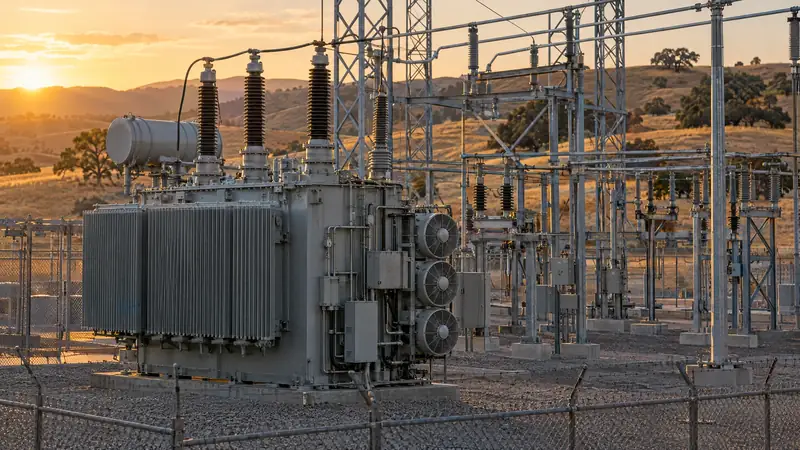
A 50 MVA transformer is a large power transformer, typically installed at a utility or industrial substation or used to connect generation to the grid. At this rating, three-phase assembled units are most common, although single-phase power units or banks can also occur. California Transformer Buyer considers used, surplus and new-surplus units located in California.
Common configurations include station-class power transformers, generator step-up (GSU) units, autotransformers and mobile-substation transformers. Each has a different purpose and construction; identify the exact type from the nameplate and project records. See our pages on substation and power transformers, generator step-up transformers, autotransformers and mobile substation transformers.
- Station-class units serving utility or industrial substations
- GSU units between generation equipment and the grid
- Autotransformers used for voltage transformation between system levels
- Mobile-substation units built for temporary or relocatable service
Are 50 MVA Pad-Mount or Pole-Mount Units Typical?
A 50 MVA pad mount transformer is not a typical standard distribution pad-mount unit. Pole-mount transformers are also distribution equipment and are not customary at this power rating. A dry-type transformer at 50 MVA would be a specialized installation rather than the usual configuration; large power units are commonly liquid-filled.
FLAFull-Load Amps for a 50 MVA Transformer
Rated full-load current at common California voltages. Single-phase: amps = kVA × 1000 ÷ volts. Three-phase: amps = kVA × 1000 ÷ (1.732 × volts). Use the nameplate voltage of your unit.
| Phase | Voltage | Full-load amps |
|---|---|---|
| Three-phase | 4.16 kV | 6,939 A |
| Three-phase | 12.47 kV | 2,315 A |
| Three-phase | 20.78 kV | 1,389 A |
| Three-phase | 34.5 kV | 837 A |
| Three-phase | 66 kV | 437 A |
| Three-phase | 69 kV | 418 A |
| Three-phase | 115 kV | 251 A |
02Voltage Combinations and California Applications
A 50 MVA unit may serve a system with transmission or subtransmission voltage on one winding and a lower system voltage on the other. California systems include 69 kV and 115 kV levels, as well as 34.5 kV and lower distribution or collection voltages. Those examples are not a guaranteed winding combination: check the actual high- and low-voltage nameplate ratings, connections and taps.
Typical applications include utility and industrial substations, generation step-up, and generation or project interconnection. Solar, wind, storage and other large facilities may use transformers as part of an interconnection, but the specific equipment rating and configuration depend on the project. For context on nearby capacity sizes, compare 37.5 MVA transformers and 60 MVA transformers.
03How to Read the 50 MVA Full-Load Amps Chart
The full-load amps chart rendered on this page shows the calculated current for a 50 MVA three-phase rating at each listed voltage. Find the row for the voltage of the winding you are checking, then read across to its corresponding current. Use the matching three-phase entry; do not treat a chart value as the transformer's complete voltage configuration.
The chart is a reference for full-load current, not a substitute for the nameplate, engineering study or protection settings. For a single-phase unit or bank, use the actual equipment arrangement and appropriate calculation rather than assuming the three-phase row applies. Our guide to transformer kVA and amps explains how voltage, phase and rating relate.
04Physical Size, Weight and Removal Planning
A 50 MVA station-class transformer is substantial equipment, generally much larger and heavier than a distribution transformer. Overall dimensions and weight vary by manufacturer, design, cooling equipment and accessories. The nameplate or outline drawing may list total weight and separate tank-and-fittings or core-and-coil weights; share those details if available.
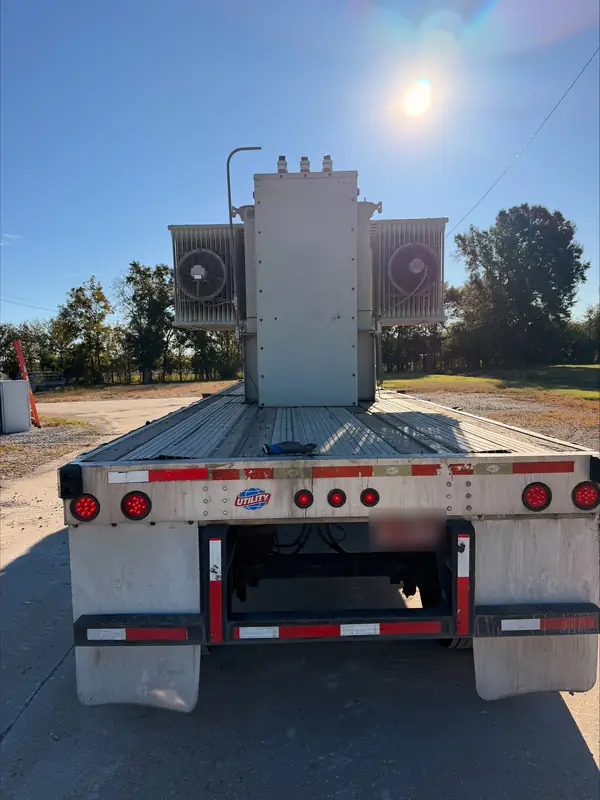
Transport and removal can require specialized planning. The written offer should make clear who handles rigging and freight and what is included. Large loads may need route reviews, permits or local approvals, depending on dimensions, weight and roads. Do not attempt to move, open, disconnect or prepare the transformer yourself; qualified electrical and rigging professionals should handle site work.
05What Affects the Value of a Used 50 MVA Transformer?
There is no single value for every 50 MVA unit. A buyer needs to verify the electrical design, condition, documentation and practical resale or reuse options. The rating matters, but it does not tell the whole story; a complete nameplate and supporting records help distinguish equipment that may suit a buyer's application.
New-surplus condition, test reports and complete accessories can affect buyer interest. Used equipment may still be considered, but leaks, corrosion, damaged bushings, missing parts or uncertain operating condition can change the evaluation. Fluid and PCB records are also relevant. PCB status should be supported by test results or documentation and, where needed, reviewed with qualified environmental professionals; this information is not legal advice.
- Voltage ratings, connections, taps, impedance and BIL
- Cooling class, temperature rise and winding material
- Age, condition, accessories and test documentation
- Fluid type, quantity and PCB records
- Quantity, ownership, location and removal access
Ratings That Help Confirm the Unit
For multi-stage ratings, provide every listed MVA rating and cooling stage, such as ONAN or ONAF, rather than reporting only one number. Manufacturer, serial number, year, phase, frequency, tap positions and the connection or vector diagram also help verify the unit. More detail about used transformer value factors can help you prepare.
06What to Send California Transformer Buyer for an Offer
Rocky reviews California equipment using the information you provide and may ask follow-up questions about ownership, condition, tests, fluid records or site access. Send photos only from a safe position and only if you are authorized to access the equipment. A utility-owned transformer on your property cannot be sold by the property owner.
Call or text (951) 403-5738, or use the contact form to request an offer. Reviewing your transformer costs nothing and creates no obligation. Before pickup, you receive a written offer stating the price, what is included, who handles loading or rigging and freight, and payment terms and timing.
- Clear nameplate photos and overall equipment photos
- Quantity, California location and known condition
- Test reports and fluid or PCB documentation, if available
- Accessories, drawings and ownership or sale authority
- Site access details and known removal constraints
07Compare Related Power Transformer Ratings
Capacity alone does not establish interchangeability. A 50 MVA transformer must match the intended voltage, connection, impedance, cooling, physical arrangement and operating requirements. If the equipment is part of a larger surplus group, provide details for each unit rather than combining ratings in a single description.
- Review 30 MVA transformer configurations
- Compare 75 MVA transformer ratings
- See the full transformer kVA and MVA size directory
kVANearby Transformer Sizes We Buy
FAQ50 MVA Transformer FAQ
Can I sell a 50 MVA transformer that is still installed?
Yes, an installed transformer can be reviewed if you own it or have authority to sell it. California Transformer Buyer will need its location, photos, nameplate information and details about site access. Do not disconnect or prepare the unit yourself. The owner's qualified electrical contractor or serving utility handles electrical isolation, and qualified professionals must plan any rigging or removal.
Will you consider a failed or incomplete 50 MVA unit?
You can submit details about a failed, damaged or incomplete transformer for review, but condition and missing components affect whether it has a practical reuse or other buyer path. Describe known issues plainly and include photos taken from a safe, authorized position. Do not open compartments, drain fluid or take samples to document it; provide existing reports or records instead.
What if the nameplate lists several MVA ratings?
Send a photo showing the full rating information, including each capacity stage and its associated cooling designation. Large power transformers may have different ratings depending on cooling or operating configuration, so one number may not describe the full unit. Include any available test report or outline drawing, and do not guess at illegible or missing nameplate values.
Can I sell a transformer if its PCB status is unknown?
Share all existing labels, fluid records, test results and service documentation, including any indication that the status is unknown. Do not drain, sample or handle oil yourself. PCB determinations and appropriate management depend on testing and documentation, and should involve qualified environmental professionals. California Transformer Buyer may ask follow-up questions, but this review is not legal or environmental advice.
How are loading, freight and payment terms handled?
Those items are stated in the written offer before pickup. It identifies what is included, who handles loading or rigging and freight, and the payment terms and timing. Review the terms before agreeing to a sale so responsibilities are clear. Removal planning depends on the equipment and site; no specific pickup or payment timing is promised before those details are reviewed.
Can you make an offer on several transformers at once?
Yes, send a list of the units and identify each transformer separately by rating, type, location and condition. Include photos and nameplate information for each one, even if the equipment is in the same yard. California Transformer Buyer reviews single units, multiple units and mixed lots located in California, subject to ownership authority and the details of the equipment.