01How to Identify a Generator Step-Up Transformer
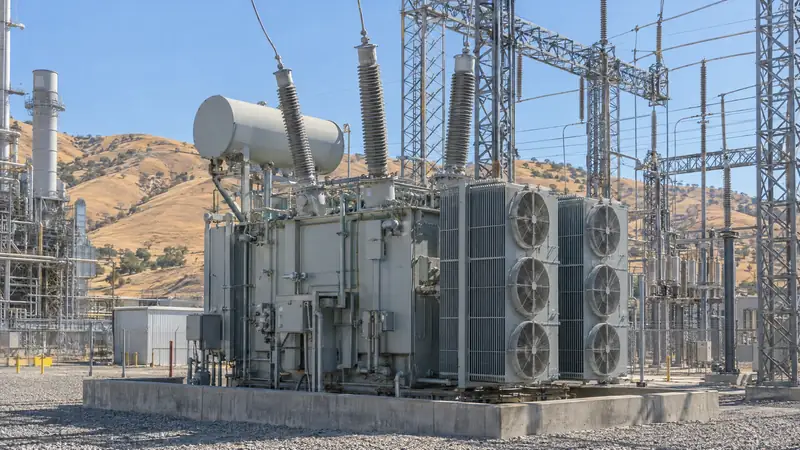
A generator step-up transformer, or GSU, raises generator output voltage to a collection, subtransmission, or transmission voltage. A generator step up transformer buyer will look for evidence that the unit was designed for generation duty, not just a voltage ratio that happens to run from low to high.
Look for a large liquid-filled tank, radiators or cooling fans, high-current generator-side terminals, and a connection to isolated-phase bus. Smaller standby-generator units may be dry-type or have a more compact enclosure. Appearance can guide identification, but the nameplate and design records are more useful than size alone.
Nameplate or project-document wording such as GSU, generator step-up, or step-up power transformer helps confirm intended service. A common arrangement is a delta generator winding and grounded-wye grid winding, but this is not universal. Verify the actual winding connection, ratio, tap range, impedance, BIL, cooling ratings, and generator/grid interface.
- Photograph the full nameplate and connection diagram.
- Capture overall views from a safe, authorized position.
- Note any visible damage or missing accessories without opening the equipment.
02Where GSUs Work in California and How They Operate
At a power plant, a GSU takes the generator’s output voltage and raises it for connection to a collection system or the wider grid. The transformer carries generation loading and is selected to suit the generator, the interconnection voltage, and the electrical system’s protection and fault requirements.
California applications include gas, steam, hydro, and biomass generation, as well as cogeneration and peaker plants. Smaller units also serve standby and distributed-generation installations. Solar inverter and battery projects use related step-up equipment, but their duty and interfaces can differ; compare a GSU with our pages on solar and inverter step-up transformers and battery storage transformers.
A unit’s original service does not automatically make it suitable for another plant or project. Engineers need to confirm generator voltage, grid voltage, phase, connection, impedance, fault duty, volts-per-hertz limits, cooling stages, and bus arrangement before reuse. A general substation transformer review can also help distinguish a station-class unit from a purpose-designed GSU.
kVACommon Generator Step-Up (GSU) Sizes We Buy
03Common Generator Step-Up Transformer Sizes and Voltages
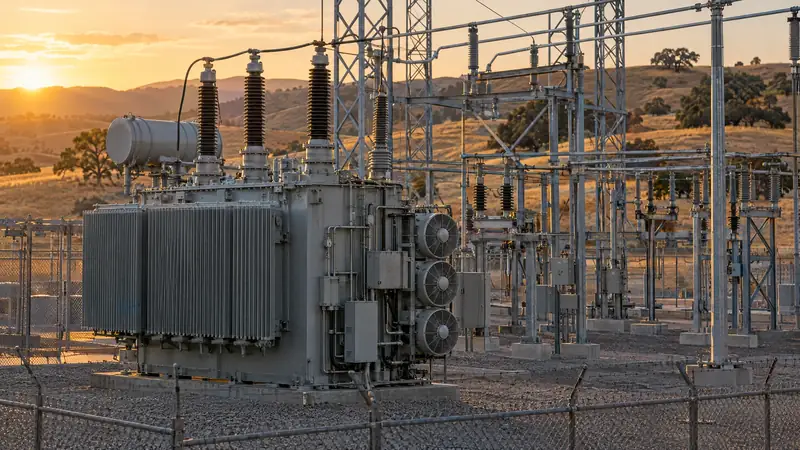
Small-generation GSUs are roughly 0.5–10 MVA. Utility units commonly fall around 10–500+ MVA, with larger custom units and banks also possible. These are broad ranges, not a substitute for the nameplate rating or the ratings at each cooling stage.
Small machines commonly produce 480 or 690 V. Larger generators may operate at 4.16, 6.9, 13.8, or 18–24 kV. The grid side may be 12–34.5 kV, 69 kV, 115 kV, 138 kV, 230 kV, or higher. Read both winding voltages and the tap positions from the actual nameplate; a familiar nominal voltage does not establish interchangeability.
Among utility-scale examples, ratings such as 10 MVA, 25 MVA, and 100 MVA illustrate the range of equipment buyers may review. Actual demand depends on the complete electrical specification, condition, and project fit—not MVA alone.
- Record every listed kVA or MVA cooling-stage rating.
- Include generator-side and grid-side voltage, taps, phase, and frequency.
- Send a clear photo of the connection or vector diagram.
| Application scale | Approximate rating | Common generator-side voltage | Possible grid-side voltage |
|---|---|---|---|
| Small generation | 0.5–10 MVA | 480/690 V or MV | 12–34.5 kV |
| Utility generation | 10–500+ MVA | 4.16–24 kV | 69–230 kV or higher |
| Custom units or banks | Project-specific | Nameplate-specific | Nameplate-specific |
04Construction Variations That Affect Reuse
Most large GSUs are liquid-filled, using mineral oil, natural ester, or another specified insulating fluid. Smaller installations may use dry-type equipment. Tank design, radiators, fans, conservators, bushings, and other accessories vary by rating and manufacturer, so a partial photo set may not show the full configuration.
Units may have multiple cooling-stage ratings, such as ONAN/ONAF/ONAF, and may use different tap arrangements or generator-side bus interfaces. Buyers also need to know whether the unit is a single transformer or one part of a bank. A missing fan stage, damaged bushing, or absent interface component can affect the evaluation.
For dry-type equipment, insulation design and enclosure arrangement matter. See our information on medium-voltage dry-type transformers and cast resin transformers for related construction differences. Do not assume a distribution transformer can serve as a direct GSU replacement simply because the voltages appear compatible.
05What Affects a Used Generator Step-Up Transformer’s Resale Value
Resale potential depends on whether the unit’s specification matches real generation projects and whether its condition can be documented. Rating, phase, voltage ratio, tap range, impedance, BIL, cooling class, temperature rise, winding material, and connection all matter. Common, clearly documented configurations may be easier to place than highly specialized units.
Age and condition also count. Buyers consider leaks, corrosion, bushing condition, missing parts, fault history, and whether the transformer has been tested. Factory test reports, oil test or dissolved gas analysis records, insulation-resistance results, and turns-ratio tests can help establish condition. New-surplus equipment may be evaluated differently from previously energized equipment, but it still needs verifiable specifications.
Fluid type and gallons, PCB documentation, accessories, quantity, and removal access may affect the review. PCB status should be supported by records or testing, not guessed from appearance or an old label. Sellers should rely on testing, documentation, and qualified environmental professionals for PCB and fluid determinations; this information is not legal advice.
- Design suitability and generator-duty ratings
- Nameplate completeness and test documentation
- Condition, accessories, and prior fault history
- Fluid and PCB records, where applicable
- Quantity, site access, and shipping complexity
06What to Send a Generator Step Up Transformer Buyer
To request a review, provide nameplate photos, overall equipment photos, the number of units, the California location, and a brief condition description. Include available drawings, factory reports, maintenance records, oil test results, and fluid or PCB documentation. Photos should be taken only from a safe position and only where you are authorized to access the equipment.
Useful nameplate fields include manufacturer, serial number, year, all kVA/MVA ratings, phase, frequency, winding voltages and connections, tap positions, impedance, BIL, cooling class, fluid type and gallons, total weight, and any stated winding material. A photo of the connection diagram can clarify whether the unit matches its original generator and grid arrangement.
California Transformer Buyer reviews seller-submitted details and may ask about ownership authority, test results, site access, or removal logistics. A seller must own the transformer or have authority to sell it; equipment owned by a utility cannot be sold by the property owner. To start, use the transformer sale information page or contact Rocky directly.
- Text photos to (951) 403-5738 or submit the website form.
- Identify whether the unit is used, removed, surplus, or new-surplus.
- Share known access limits and any included accessories.
07Removal Planning for Large GSU Equipment
A GSU can be a heavy, high-voltage asset with complex connections and site-specific rigging needs. De-energizing, isolation, testing, grounding, and disconnection must be handled by the owner’s qualified electrical contractor or the serving utility. Do not attempt to move, open, drain, or disconnect the transformer yourself.
Large units may require specialized transport planning, and oversize or overweight loads can involve state or local approvals. Some substation transformers ship with radiators or bushings removed and may require a controlled protective fill during transport. The exact plan depends on the unit and route; qualified contractors and carriers should determine the work and equipment required.
Before pickup, the written offer states what is included, who handles loading and rigging, who arranges freight, and the payment terms and timing. Review transformer removal and pickup considerations before scheduling so responsibilities are clear.
08Why California Sellers Bring GSU Equipment to Rocky
Power plants, contractors, utilities, and property owners may have a spare transformer, a decommissioned unit, project leftovers, or new-surplus equipment that no longer fits the site’s plans. California Transformer Buyer considers used, surplus, and new-surplus transformers from sellers located in California, from single units to larger lots.
The review starts with the actual unit and its records rather than a generic assumption based on capacity. If the transformer is a fit, Rocky provides a written offer with terms in writing before pickup. Reviewing your transformer costs nothing and does not obligate you to accept an offer.
Call or text (951) 403-5738, or use the contact page to request an offer. For additional guidance on selling used equipment, visit used transformer buyer information.
FAQGenerator Step-Up (GSU) Transformer FAQ
Can you buy a GSU that is still installed at a power plant?
It can be reviewed while installed, provided the seller owns it or has authority to sell it. Send nameplate and overall photos taken from a safe, authorized position, along with location and condition details. Any isolation, testing, grounding, and disconnection must be arranged by the owner’s qualified electrical contractor or serving utility, not by the seller as part of the inquiry.
Will you buy a generator step-up transformer without test reports?
A transformer can still be submitted for review if test reports are unavailable, but the missing records may limit what can be confirmed about its condition and suitability. Send whatever documentation exists, such as nameplate data, maintenance history, prior oil testing, or factory paperwork. Rocky may ask follow-up questions before deciding whether to make a written offer.
Is every step-up transformer suitable for generator service?
No. A step-up voltage ratio by itself does not establish generator-duty suitability. The unit’s winding arrangement, generator voltage, loading, volts-per-hertz limits, impedance, BIL, fault requirements, cooling, and bus interface all need review against the intended application. A distribution transformer may have a ratio that looks suitable but still be a poor or incompatible GSU replacement.
Can you review a GSU with unknown PCB status?
Yes, you can submit its information, but unknown status should not be represented as non-PCB. Provide any existing labels, fluid records, test results, and manufacturing information. PCB classification and handling can depend on the equipment, fluid, and documentation. Sellers should rely on appropriate testing, records, and qualified environmental professionals to determine the applicable pathway.
Do you buy a single GSU, or only full plant lots?
California Transformer Buyer reviews single transformers as well as multiple units and mixed lots from sellers located in California. Include the quantity, location, ownership or sale authority, and whether the equipment is used, removed, surplus, or new-surplus. The unit’s specifications, condition, documentation, and removal circumstances will determine whether it is suitable for an offer.
What happens after I send transformer photos?
Rocky reviews the nameplate, overall photos, quantity, location, and condition, then may ask for test reports, fluid or PCB records, ownership details, or site-access information. If the unit is a fit, you receive a written offer that states the price, what is included, who handles loading or rigging and freight, and payment terms and timing. Pickup is scheduled only after terms are agreed.